

In the U.S. we’ve just plain given up on evaluating the pros and cons of … well, pretty much everything. We just take what we want and don’t take what we don’t want. There’s no need to compromise.
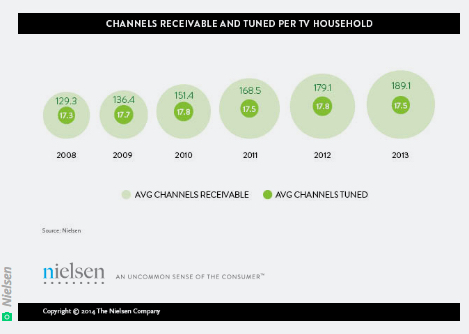
The average household has access to 189 television channels. Number 113 only had about 25,000 viewers on average last year. We pick whatever we want to watch from a huge number of highly-specific options. We don’t have to watch things we don’t like or with which we disagree.
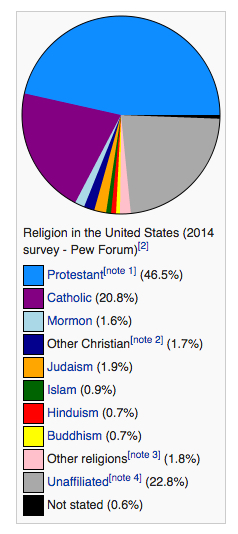
We have more than 100 religious options, including “None” and “Don’t Know.” Pew tracks four major religious categories and within that, 52 subgroups and 107 sects within those subgroups — 94 types of “Christian” alone! We pick whatever religious group fits us best from a huge number of highly-specific options.
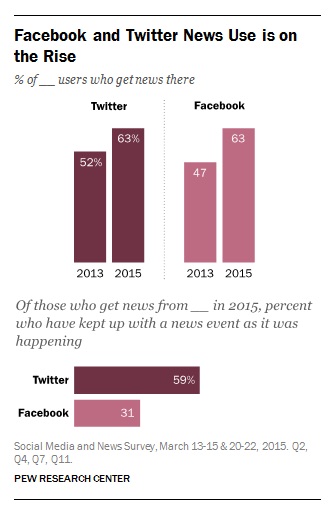
63% of Facebook and Twitter users say each of those platforms is a primary news source. (These days the number is even higher for younger users on SnapChat). Those are unbundled sources of news (in other words, individual stories, not a packaged media product) — the number of options only limited by the number of Twitter handles one follows and how many Tweets are sent by those handles or posts by Facebook friends. Even our Facebook and Twitter experience a customized, unbundled one. We not only read just the articles we wish, but those we read represent only a portion of articles Tweeted by each of the handles or Facebook friends we follow.
We configure our tennis shoes online to our exact specifications on Nike.com. We watch only the episodes of the shows we want to watch on Netflix, Hulu and Amazon rather than waiting for the designated time on a network, in the designated order the network specifies. We buy songs rather than albums. We rent cars by the hour or even hitch a ride with Uber on demand.
On the list goes. We take only what we want and leave that which we don’t. We configure our world around us in every way.
Then it comes time to elect our leaders. 535 people in Congress. One president. One vice president. Two major parties, a couple of minor parties.
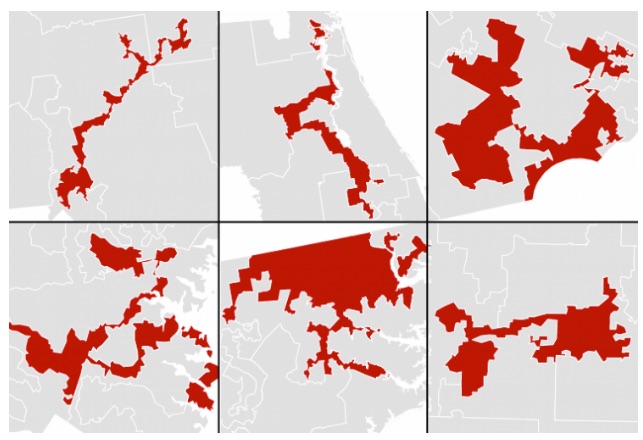
This is when it turns into us being configured to someone else’s specification. Look at the shape of the electoral districts in this map. These aren’t geographical communities — they’re gerrymandered districts designed to serve highly-individualized political preferences.
We don’t get to configure our political parties to meet our exact expectations. We don’t get to configure our candidates to our perfect specifications. The system is built on finding a compromise that pleases the most people. Or put more clearly: Our system is built to find the lowest common denominator.
This is why we’re so angry with each other these days. We don’t like to work it out any more. We only want what we want.